203 Results for "

Artemisia vulgaris L.

" in MedChemExpress (MCE) Product Catalog:
Products (203)

203 Results for "Artemisia vulgaris L." in MCE Product Catalog:

34
34 Publications Verification
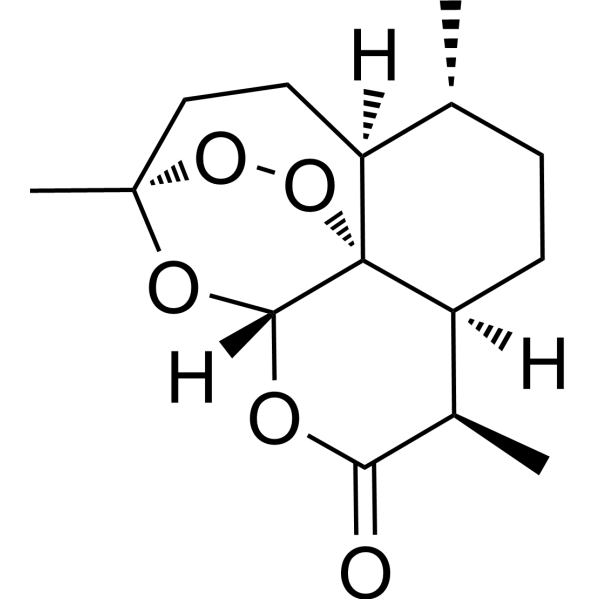
Cat. No.: HY-B0094
CAS No.: 63968-64-9
Synonyms: Qinghaosu; NSC 369397
Artemisinin (Qinghaosu), a sesquiterpene lactone, is an anti-malarial agent isolated from the aerial parts of Artemisia annua L. plants . Artemisinin inhibits AKT signaling pathway by decreasing pAKT in a dose-dependent manner. Artemisinin reduces cancer cell proliferation, migration, invasion, tumorigenesis and metastasis and has neuroprotective effects .
loading...
    loading...
13
13 Cited Publications
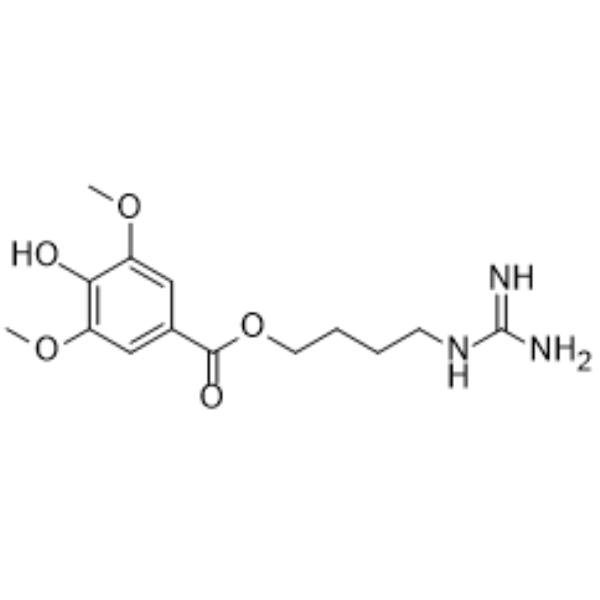
Cat. No.: HY-N0741
CAS No.: 24697-74-3
Synonyms: SCM-198
Leonurine is an alkaloid isolated from Leonurus artemisia, with anti-oxidative and anti-inflammatory.
loading...
    loading...
13
13 Cited Publications
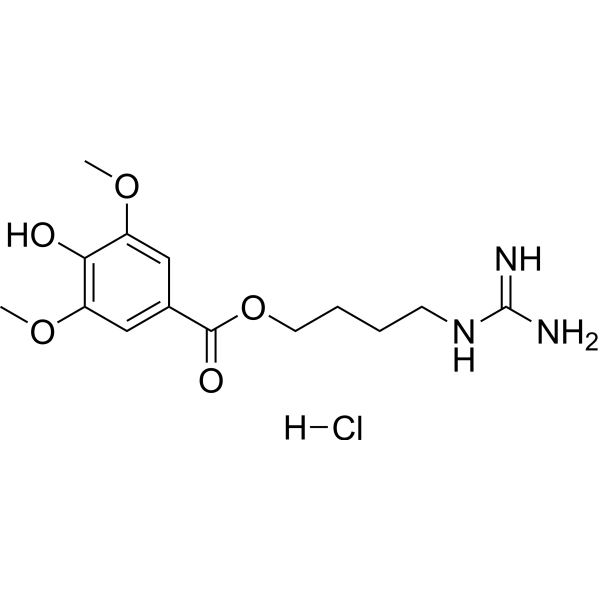
Cat. No.: HY-N0741A
CAS No.: 24735-18-0
Synonyms: SCM-198 hydrochloride
Leonurine hydrochloride is an alkaloid isolated from Leonurus artemisia, with anti-oxidative and anti-inflammatory.
loading...
    loading...
10
10 Cited Publications
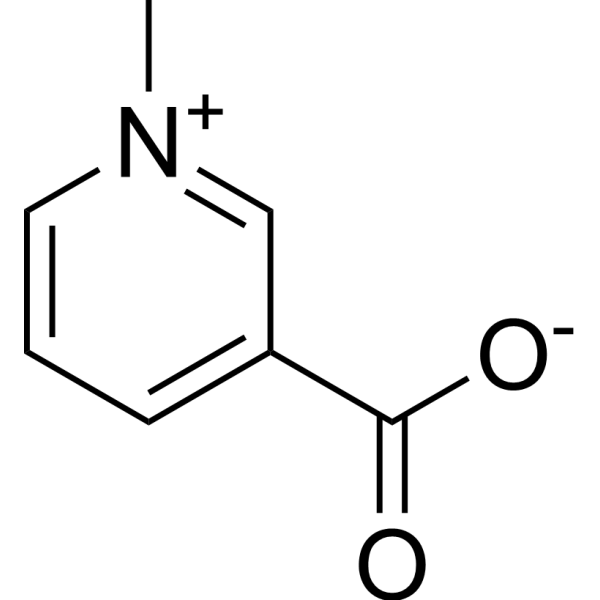
Cat. No.: HY-N0414
CAS No.: 535-83-1
Synonyms: Trigenolline
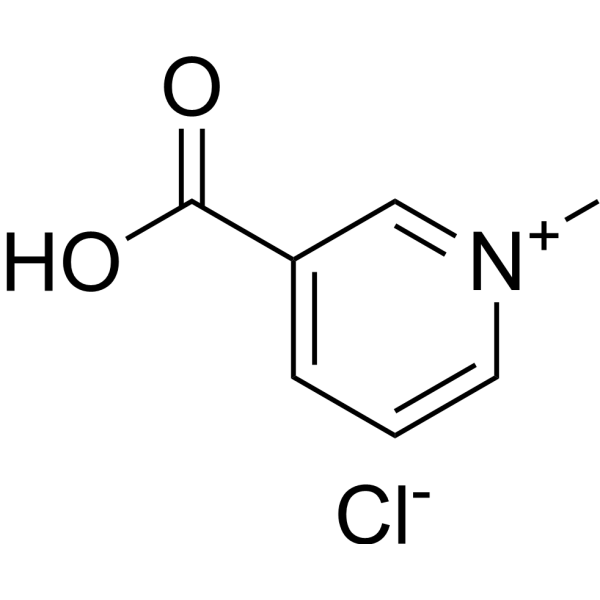
Trigonelline is an alkaloid with potential antidiabetic activity that can be isolated from Trigonella foenum-graecum L or Leonurus artemisia. Trigonelline is a potent Nrf2 inhibitor that blocks Nrf2-dependent proteasome activity, thereby enhancing apoptosis in pancreatic cancer cells. Trigonelline also has anti-HSV-1, antibacterial, and antifungal activity and induces ferroptosis.
loading...
    loading...
10
10 Cited Publications
Cat. No.: HY-N0415
CAS No.: 6138-41-6
Synonyms: Trigonelline hydrochloride
Trigonelline chloride is an alkaloid with potential antidiabetic activity that can be isolated from Trigonella foenum-graecum L or Leonurus artemisia. Trigonelline chloride is a potent Nrf2 inhibitor that blocks Nrf2-dependent proteasome activity, thereby enhancing apoptosis in pancreatic cancer cells. Trigonelline chloride also has anti-HSV-1, antibacterial, and antifungal activity, and induces ferroptosis.
loading...
    loading...
9
9 Cited Publications
Cat. No.: HY-N0738
CAS No.: 4136-37-2
Stachydrine hydrochloride is the major active constituent of Leonurus artemisia, which is a potential therapy for cardiovascular diseases . Stachydrine can inhibit the NF-κB signal pathway. Anti-hypertrophic activities .
loading...
    loading...
9
9 Cited Publications
Cat. No.: HY-N0831
CAS No.: 18085-97-7
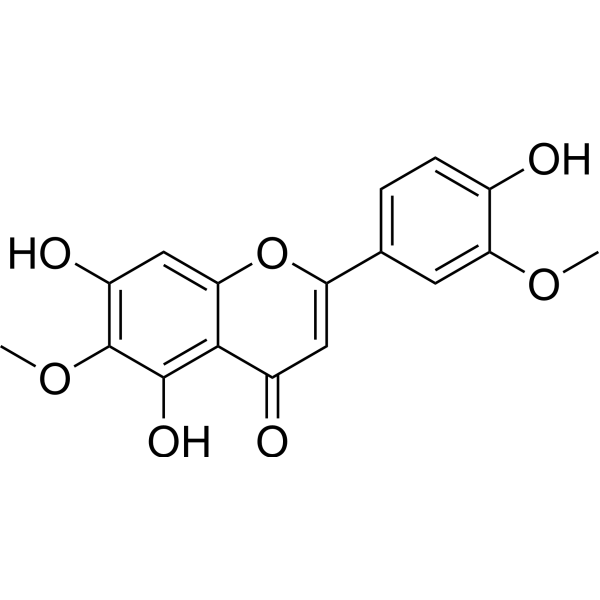
Jaceosidin is a flavonoid isolated from Artemisia vestita, induces apoptosis in cancer cells, activates Bax and down-regulates Mcl-1 and c-FLIP expression . Jaceosidin exhibits anti-cancer , anti-inflammatory activities, decreases leves of inflammatory markers, and suppresses COX-2 expression and NF-κB activation .
loading...
    loading...
8
8 Cited Publications
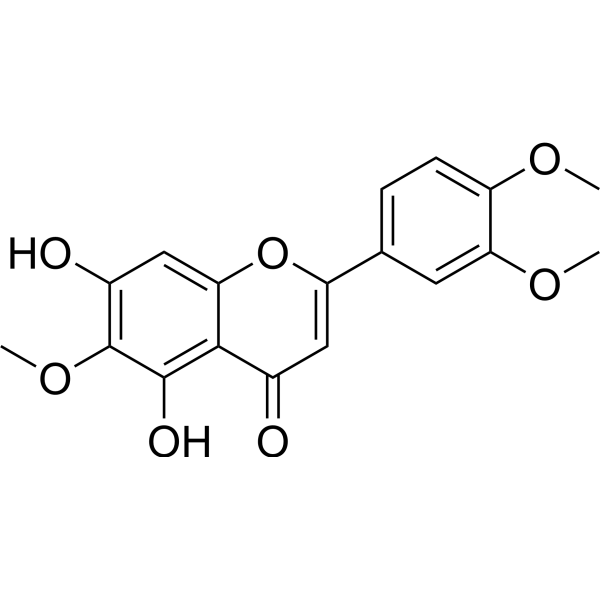
Cat. No.: HY-N0783
CAS No.: 22368-21-4
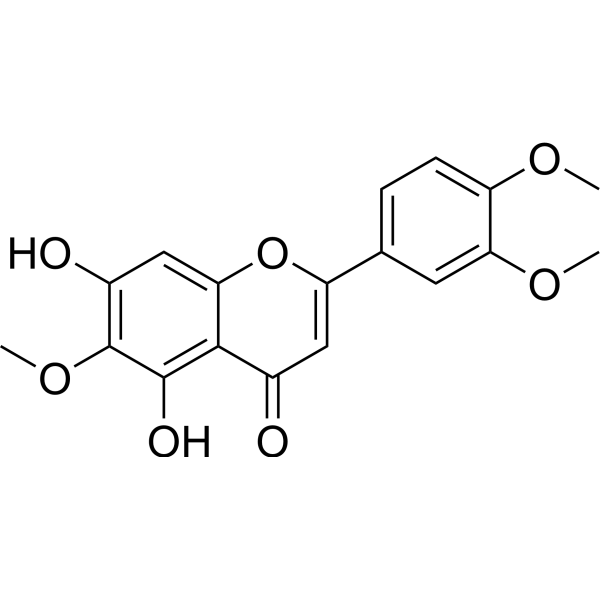
Eupatilin, a lipophilic flavonoid isolated from Artemisia argyi Lévl. et Van., is a PPARα agonist, and possesses anti-apoptotic, anti-oxidative and anti-inflammatory activities.
loading...
    loading...
8
8 Cited Publications
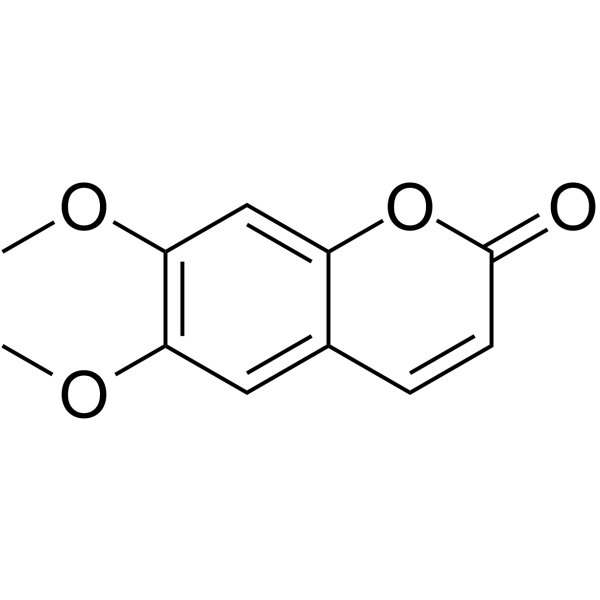
Cat. No.: HY-N0228
CAS No.: 120-08-1
Scoparone is isolated from Artemisia capillaris Thunb., has anticoagulant, vasorelaxant antioxidant, anti-inflammatory activities .
loading...
    loading...
8
8 Cited Publications
Cat. No.: HY-N0783R
CAS No.: 22368-21-4
Eupatilin (Standard) is the analytical standard of Eupatilin. This product is intended for research and analytical applications. Eupatilin, a lipophilic flavonoid isolated from Artemisia argyi Lévl. et Van., is a PPARα agonist, and possesses anti-apoptotic, anti-oxidative and anti-inflammatory activities.
loading...
    loading...
7
7 Cited Publications
Cat. No.: HY-N7038
CAS No.: 9008-97-3
Synonyms: PHA-M
Phytohemagglutinin (PHA-M), the major seed lectin of the common bean, Phaseolus vulgaris, is a T-cell activator. Phytohemagglutinin stimulates human mononuclear leukocytes, inducing the expression of ChAT mRNA and potentiating ACh synthesis. Phytohemagglutinin induces dose- and time-dependent toxicity in THP-1 monocytes/macrophages, alters cellular morphology, causes organelle dysfunction, and increases the expression of NF-κB, COX2, IL-1β .
loading...
    loading...
4
4 Cited Publications
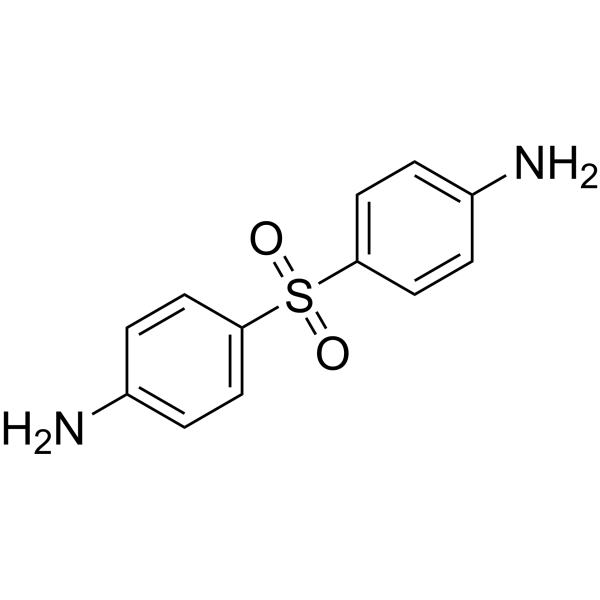
Cat. No.: HY-B0688
CAS No.: 80-08-0
Synonyms: 4,4′-Diaminodiphenyl sulfone; DDS
Dapsone (4,4′-Diaminodiphenyl sulfone) is an orally active and blood-brain penetrant sulfonamide antibiotic with bacteriostatic, antimycobacterial and antiprotozoal activities . Dapsone?exerts effective antileprosy activity?and inhibits folate synthesis in cell extracts of?M. leprae. Dapsone is used for dermatologic disorder research, including leprosy, dermatitis herpetiformis, acne vulgaris et al .
loading...
    loading...
3
3 Cited Publications
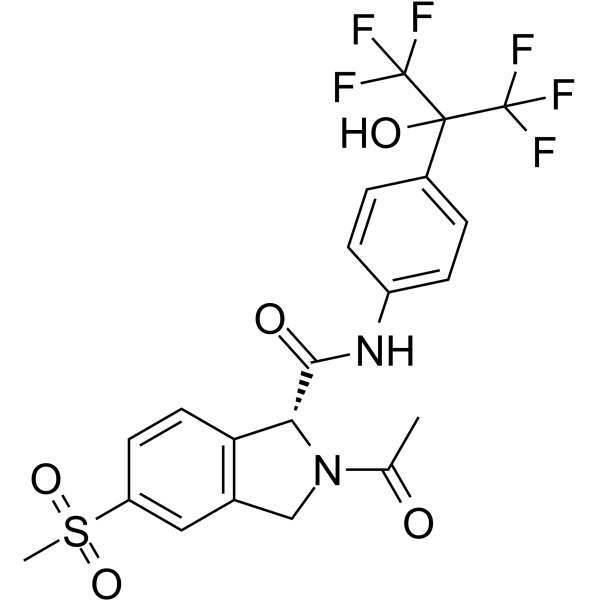
Cat. No.: HY-120384
CAS No.: 2101291-07-8
Pureté:  99.90%
Target:  

ROR

Domaines de recherche:  

Inflammation/Immunology

AZD-0284 is a selective inverse agonist of the nuclear receptor RORγ. AZD-0284 has the potential for plaque psoriasis vulgaris and respiratory tract disorders treatment .
loading...
    loading...
2
2 Cited Publications
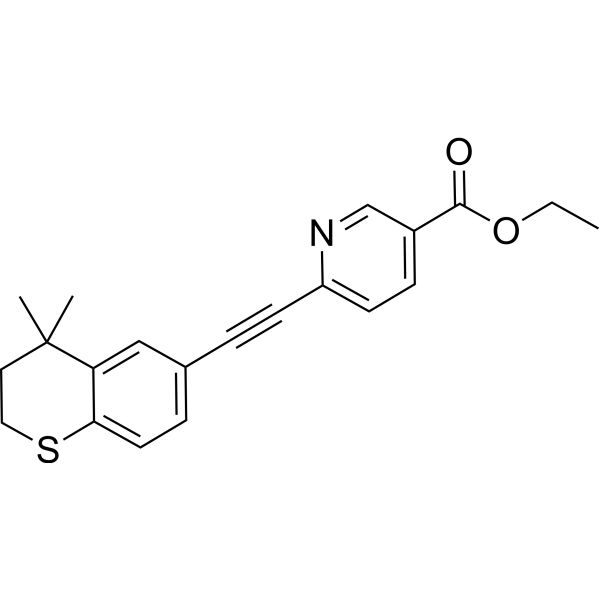
Cat. No.: HY-15388
CAS No.: 118292-40-3
Pureté:  99.39%
Synonyms: AGN 190168
Target:  

RAR/RXR Autophagy

Domaines de recherche:  

Inflammation/Immunology Cancer

Tazarotene (AGN 190168) is a selective retinoic acid receptor (RAR) agonist for the treatment of plaque psoriasis and acne vulgaris. Tazarotene is a click chemistry reagent, it contains an Alkyne group and can undergo copper-catalyzed azide-alkyne cycloaddition (CuAAc) with molecules containing Azide groups.
loading...
    loading...
1
1 Cited Publications
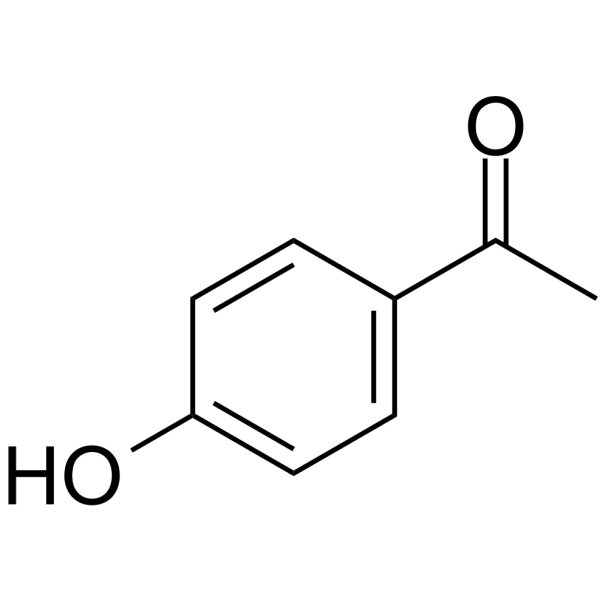
Cat. No.: HY-Y0073
CAS No.: 99-93-4
Synonyms: P-hydroxyacetophenone
4-Hydroxyacetophenone (P-hydroxyacetophenone) is a major hepatoprotective and choleretic compound found in Artemisia and Illicium plants, exhibiting antiviral and anti-inflammatory effects against hepatitis B virus. Additionally, 4-Hydroxyacetophenone inhibits cancer cell adhesion, invasion, and migration by remodeling actin. 4-Hydroxyacetophenone holds promise for research in the fields of inflammatory diseases and cancer .
loading...
    loading...
1
1 Cited Publications
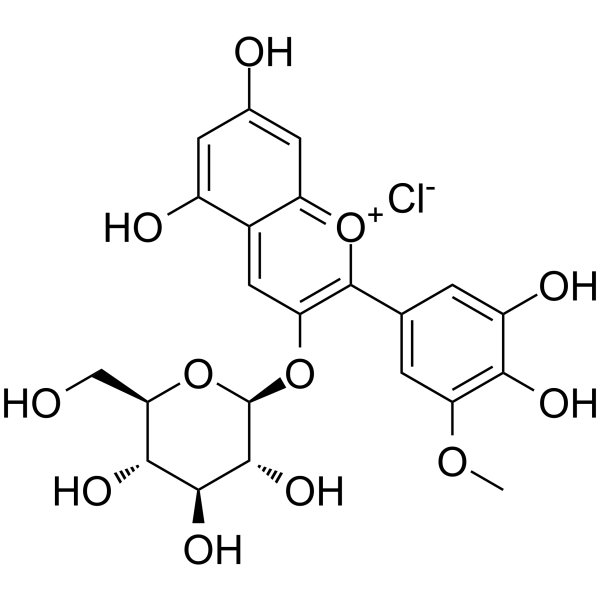
Cat. No.: HY-N7832
CAS No.: 6988-81-4
Petunidin-3-O-glucoside chloride is a flavonoid isolated from Phaseolus vulgaris L. seed, has antioxidant activity
loading...
    loading...
1
1 Cited Publications
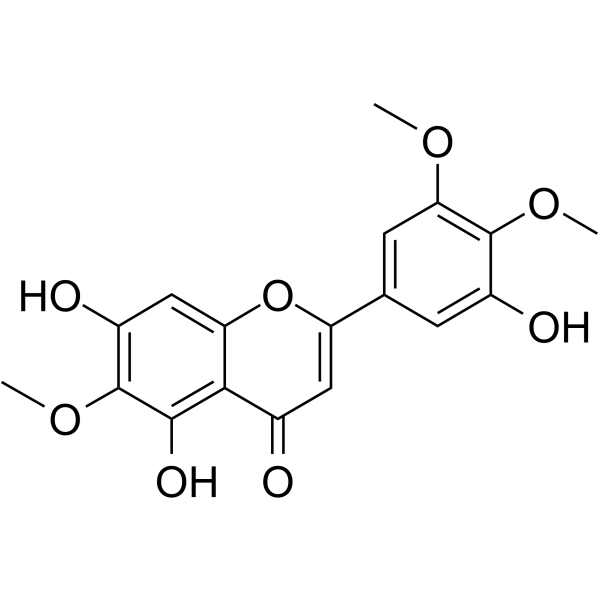
Cat. No.: HY-N6259
CAS No.: 78417-26-2
5,7,3'-Trihydroxy-6,4',5'-trimethoxyflavone is a methylated flavones from Artemisia frigida.
loading...
    loading...
1
1 Cited Publications
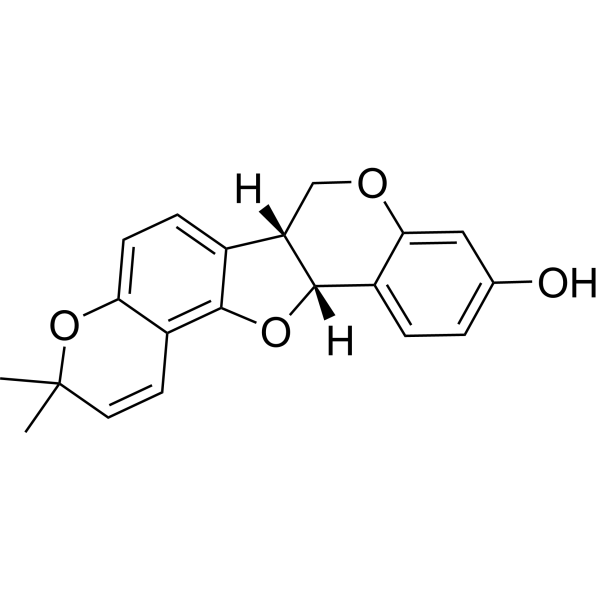
Cat. No.: HY-N3087
CAS No.: 13401-40-6
Phaseollin is an isoflavonoid phytoalexin that can be isolated from Phaseolus vulgaris . Phaseollin is toxic to bean hypocotyl and endocarp cells, and causes a complete lysis of sheep erythrocytes .
loading...
    loading...
1
1 Cited Publications
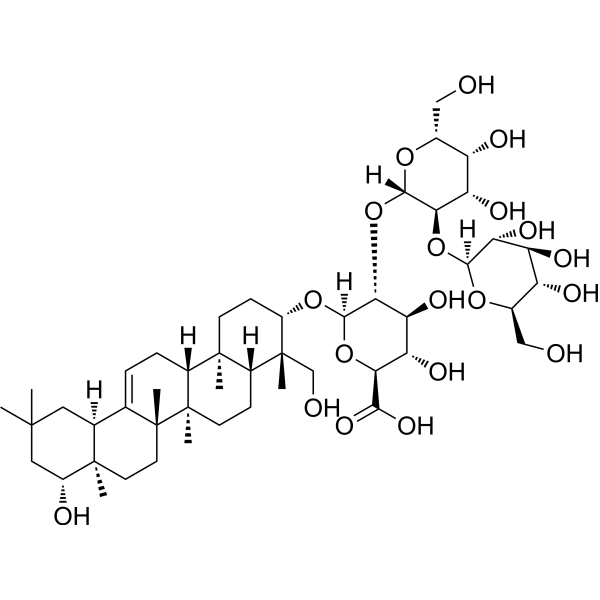
Cat. No.: HY-N0309
CAS No.: 114590-20-4
Soyasaponin Ba is a soyasaponin that can be isolated from Phaseolus vulgaris, acts as an aldose reductase inhibitor (ARI). Soyasaponin Ba activates Akt/GSK3β/β-catenin signaling pathway, reduces lipid accumulation, lowers ROS generation, improves mitochondrial membrane potential, ATP levels, and morphology, and inhibits apoptosis. Soyasaponin Ba can be used for the research of lipid accumulation and secondary diabetic complications .
loading...
    loading...
1
1 Cited Publications
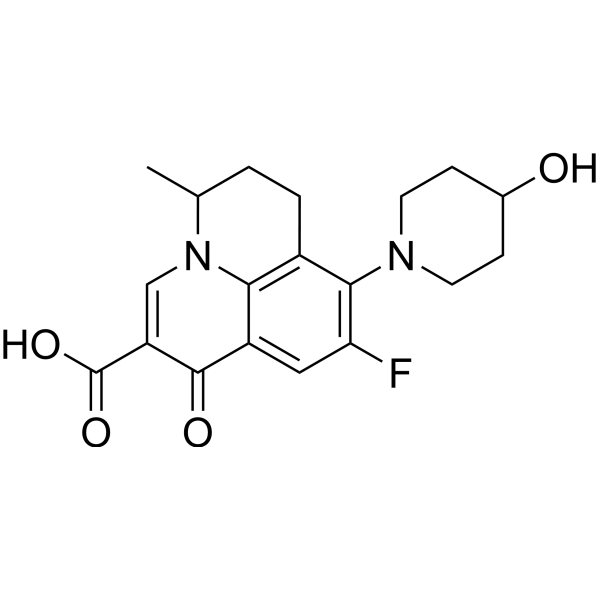
Cat. No.: HY-B0506
CAS No.: 124858-35-1
Synonyms: OPC7251
Nadifloxacin (OPC7251) is a broad-spectrum quinolone antibiotic. Nadifloxacin inhibits bacterial DNA gyrase and topoisomerase IV, interfering with DNA replication. It also suppresses the production of proinflammatory cytokines (such as IL-1α, IL-6, and IL-8). Nadifloxacin exhibits antibacterial activity against various pathogens, including Propionibacterium acnes and Staphylococcus aureus. Nadifloxacin also exhibits anti-inflammatory activity. Nadifloxacin can be used in the research of skin infections such as acne vulgaris, folliculitis, and impetigo .
loading...
    loading...

